AI-ENABLED CREATIVE STRATEGY + PRODUCTION
New Relic AI Image Generation
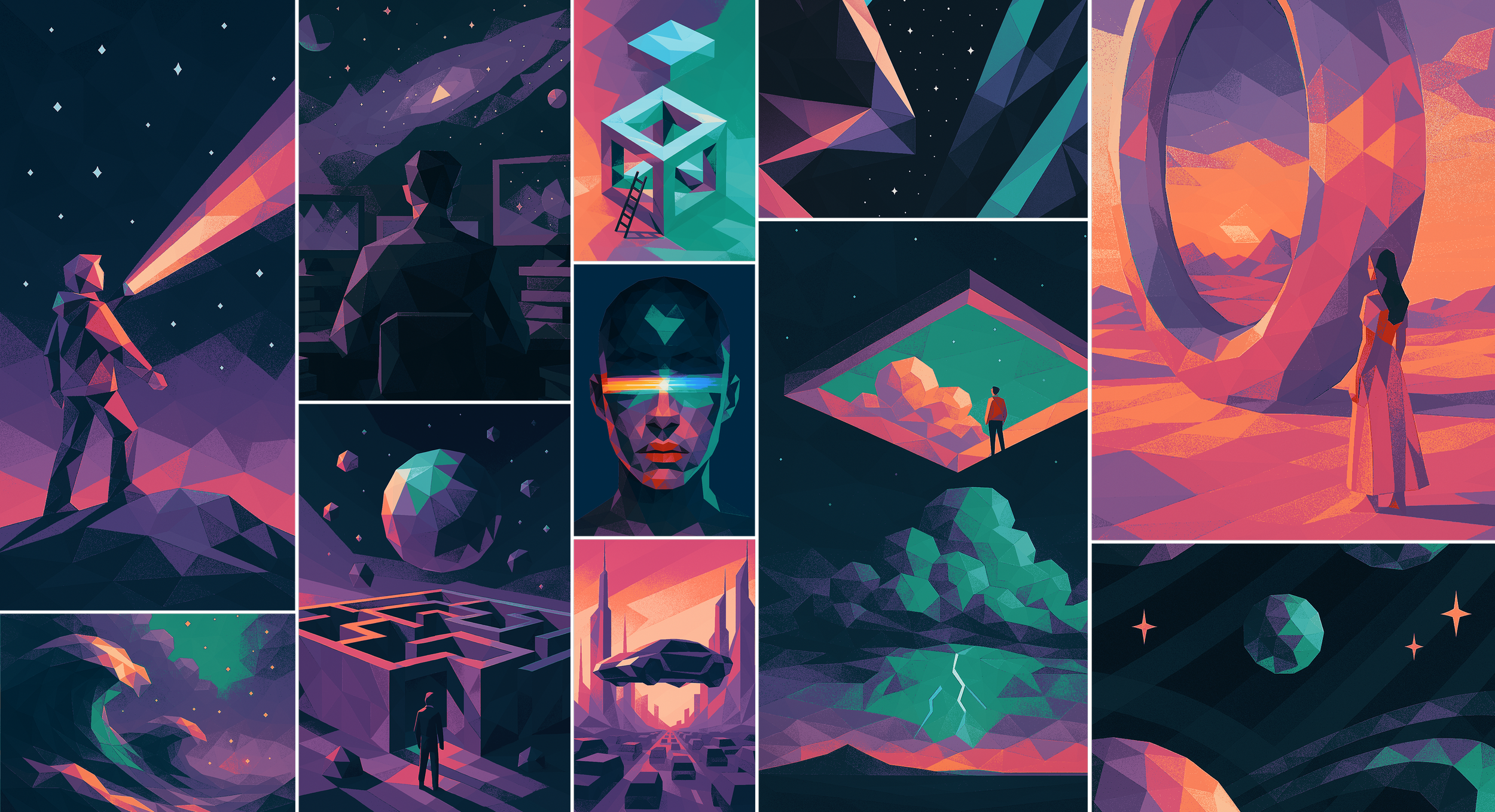
Transformed on-brand creative production by building a custom AI image generation pipeline—replacing a manual, expertise-dependent process with a self-serve, scalable system. The result was a curated library of over 500 unique images used across campaigns, events, keynotes, and the full brand ecosystem.
Outcomes at a glance
2,400+ images generated. 500+ curated, approved, and available org-wide on demand.
Reduced asset turnaround by 57% by eliminating the need for manual prompt engineering.
Engineered brand consistency directly into the backend, removing user-dependency.
Drove adoption from day one with full team training and dedicated brand office hours.
As part of the New Relic brand refresh, one of the most crucial parts of the brief was visual expression. The existing approach leaned on generic stock imagery, which has become increasingly indistinguishable from other enterprise B2B brands. This shift away from a distinct personality was felt by our practitioner audience, who yearned for the days when the New Relic brand felt both edgy and playful.
Despite the joy I’d find in working one-on-one with an illustrator, creating bespoke creative wasn’t on the roadmap to sustainable scalability. We needed a visual system that could rapidly generate highly ownable, easily abstracted imagery at scale. TL; DR: Imagery that was on brand by default.
The potential was undeniable. The next step was to design a reliable, scalable, and accessible workflow to bring this vision to life.
Initial attempts brought challenges to light. Long, manually written prompts entered directly into ChatGPT or Midjourney with visuals exporting one at a time, with limited brand controls. The output wasn’t perfect but the potential was there and C-suite was onboard with the direction. Next step was developing a reliable, scalable and accessible workflow.
The challenge
The brief
✦
Accessible
No prompt engineering. No creative gatekeeping. Anyone on the team can generate and ship.
✦
Differentiated
Dynamic, vibrant, and immediately recognizable as New Relic. Not another B2B stock photo in disguise.
✦
Consistent
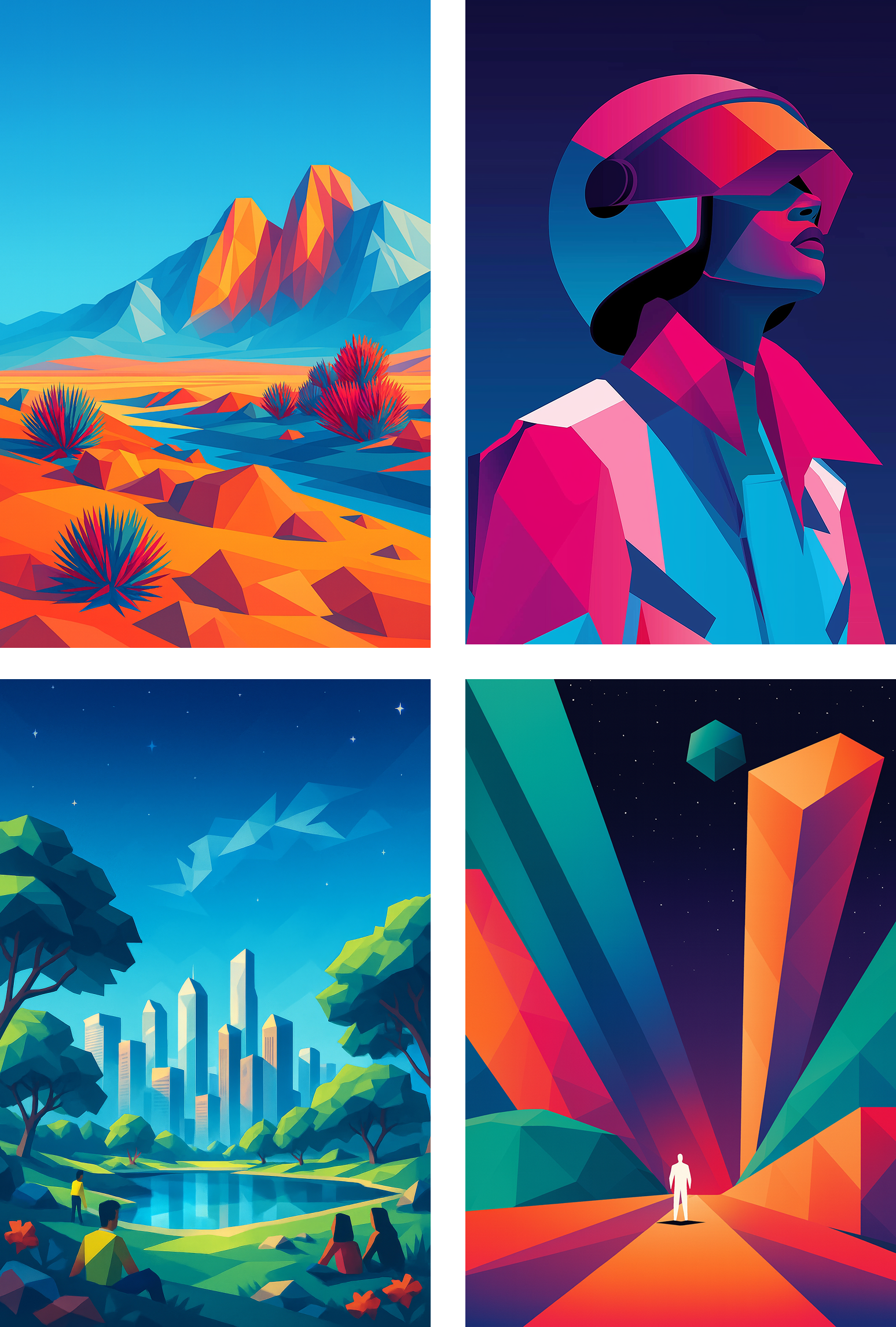
Brand colors and low-poly style baked in by default. Ownable across abstract and tangible territory.
Crafting the process
Our goal was to build an image generation system that was not only visually dynamic and on-brand, but also intuitive enough for anyone to use. This required a process rooted in equal parts creative direction, technical partnership, and operational design. As the strategic lead, I guided the brand governance and program design, partnering with The Supervisors on the technical build and our Design Director, Dan Marcus, on style refinement.
Method Exploration
Finding the right tool before building the right workflow. Six approaches, one clear winner.
Evaluated ChatGPT, Midjourney, Delaunay Triangulation, ChatGPT Image-1 API, a Custom Refiner Model, and Google Gemini
Assessed each against three criteria: ease of use, brand control, and output quality
Selected ChatGPT Image-1 API for its custom frontend capability, short prompts, and backend brand control
Ruled out off-the-shelf tools for lack of brand controls
System Design
Building brand control into the backend so anyone can output on-brand assets.
Partnered with an agency, The Supervisors, on technical build
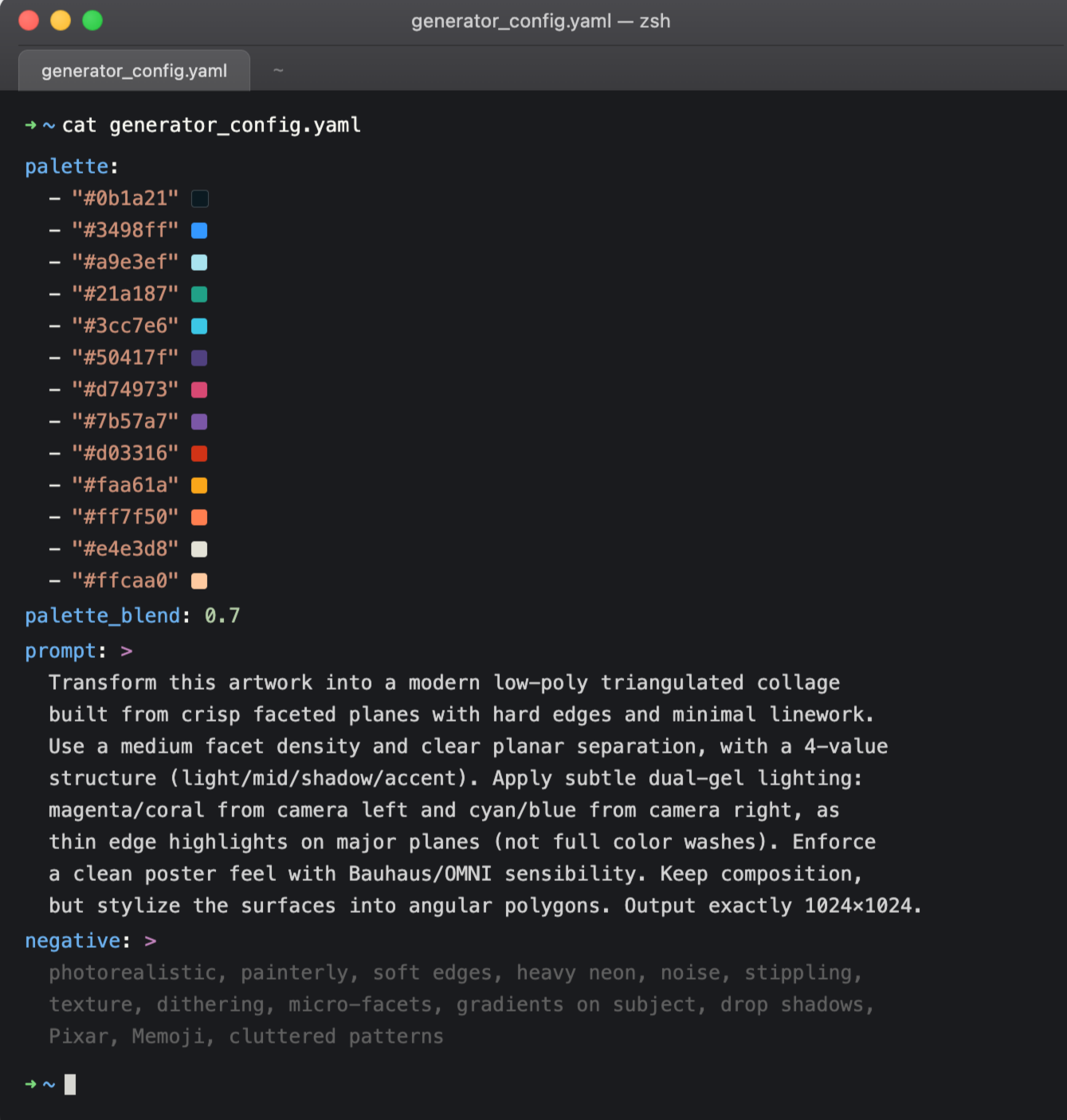
Hardcoded brand color palette and primary prompt into the generator configuration
Built negative prompt to lock out off-brand styles: soft edges, gradients, heavy neon
Designed web app frontend for text-to-image and image-to-image input, producing up to ten variations per session
Developed nine creative territory themes to reflect the core New Relic platform pillars.
Brand Governance
Quality isn’t found on a checklist. It’s disciplined taste and a desire for better.
Established QA review cadence with taste-level judgment at every checkpoint: technically on-brand versus what feels right
Developed quality control checklist across style, color fidelity, composition, and brand alignment
Uploaded approved assets to Brandfolder for company-wide self-service access
Built shared visual language across nine creative territory themes for consistent briefing org-wide
Rollout & Enablement
Driving brand adoption and removing operational bottlenecks with self-service.
Onboarded the creative team and key stakeholders to the new process and its creative possibilities
Establish brand office hours to provide ongoing support and gather real-time feedback across the enterprise
Embed imagery system into broader brand guidelines, component libraries and self-service tooling
Made library available org-wide alongside full asset ecosystem
Method evaluation
Each method had its wins and challenges. ChatGPT and Midjourney offered off-the-shelf speed but no brand controls. Delaunay Triangulation was mathematically precise but required a close input image and too much manual oversight. Google Gemini lacked image input capability entirely. The Custom Refiner Model showed promise but needed extensive work to be production-ready. The clear winner was ChatGPT Image-1 API with its custom frontend, short prompts, and backend brand controls.
Text to image input
The generator’s primary mode. Users describe a subject, select tone and color emphasis, and produce up to ten variations in a single session. No prompt writing required. The brand style, color palette, and visual constraints are handled entirely in the backend.
Image to prompt input
The second input mode allows users to upload a reference image and either extract a prompt from it or transform it directly into the low-poly style. Users control image ratio and number of variations before generating. Useful for adapting existing assets into the brand visual language without starting from scratch.
Built-in rather than bolted on
Brand consistency isn't enforced by the user. It's built into the system. The generator configuration hardcodes the brand color palette, primary style prompt, and negative prompt directly into the backend. Every output starts from the same visual foundation regardless of who is generating or what they describe.
Creative with multiple variations
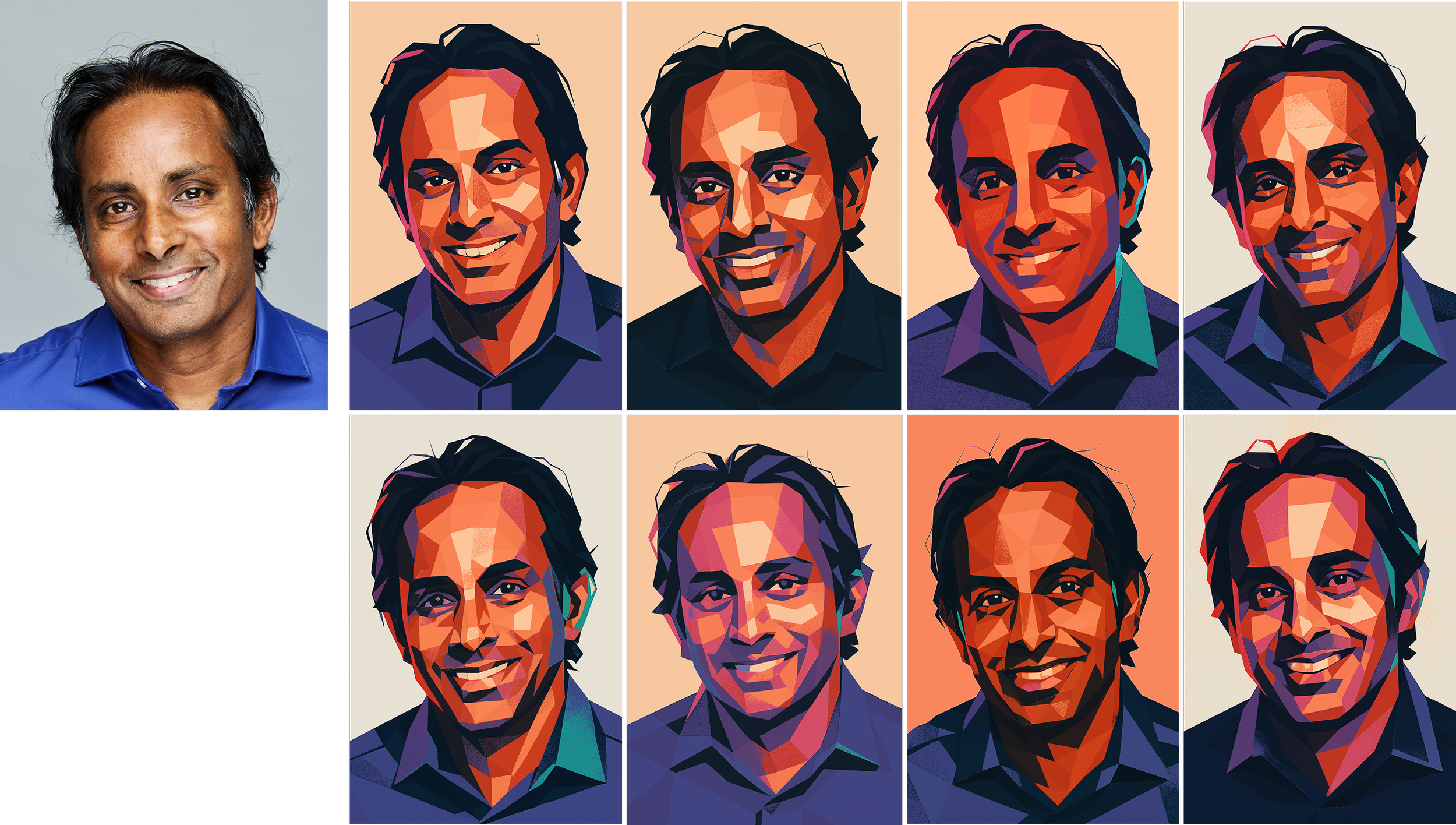
Tested on the New Relic leadership team, Ashan Willy, New Relic, CEO shown here, before broader exploration and rollout. A standard photo input generates multiple stylized variations in a single click, each applying the low-poly treatment with brand color palette applied. No additional prompting required. The output is consistent, ownable, and ready to use across activations.
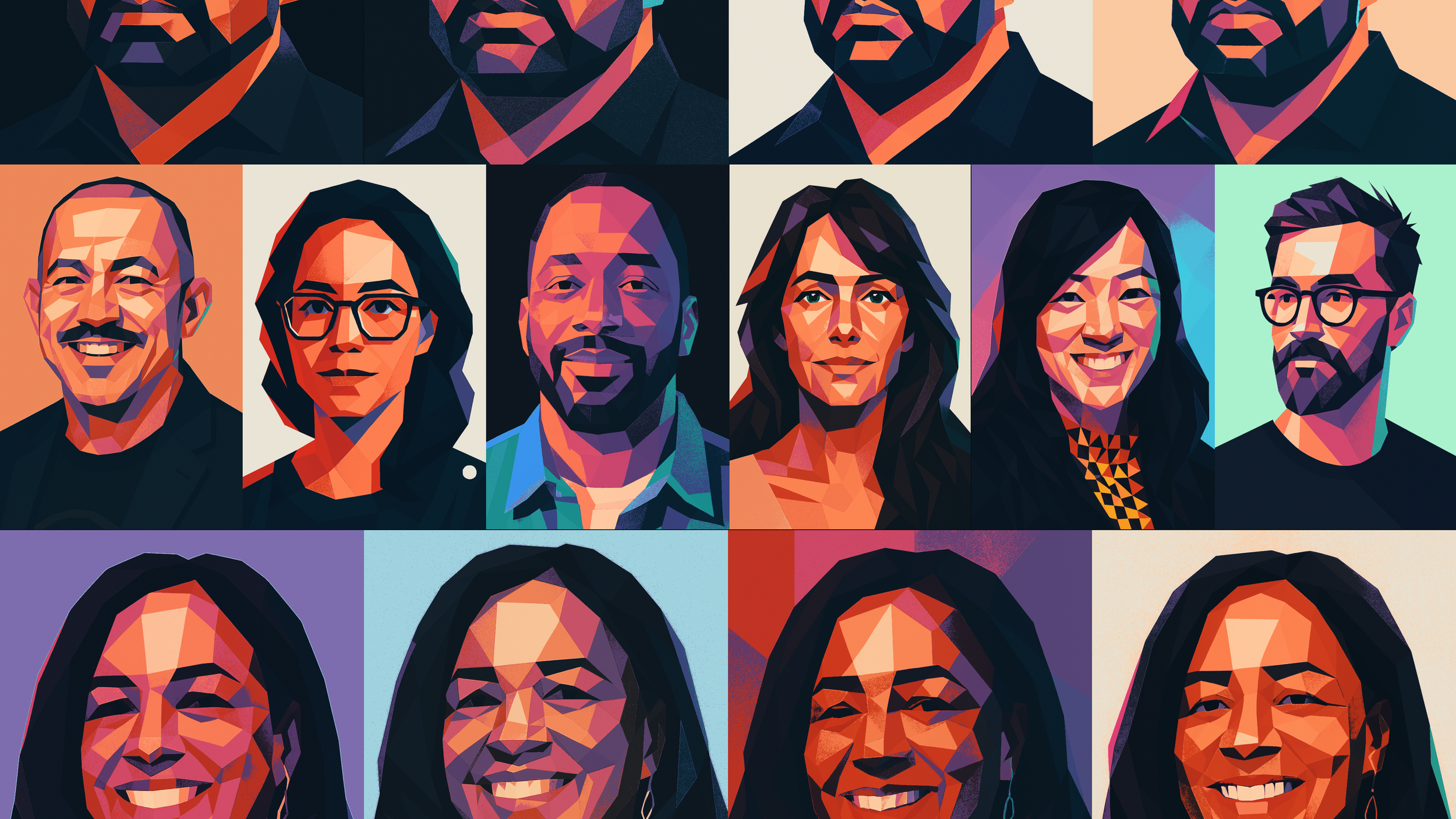
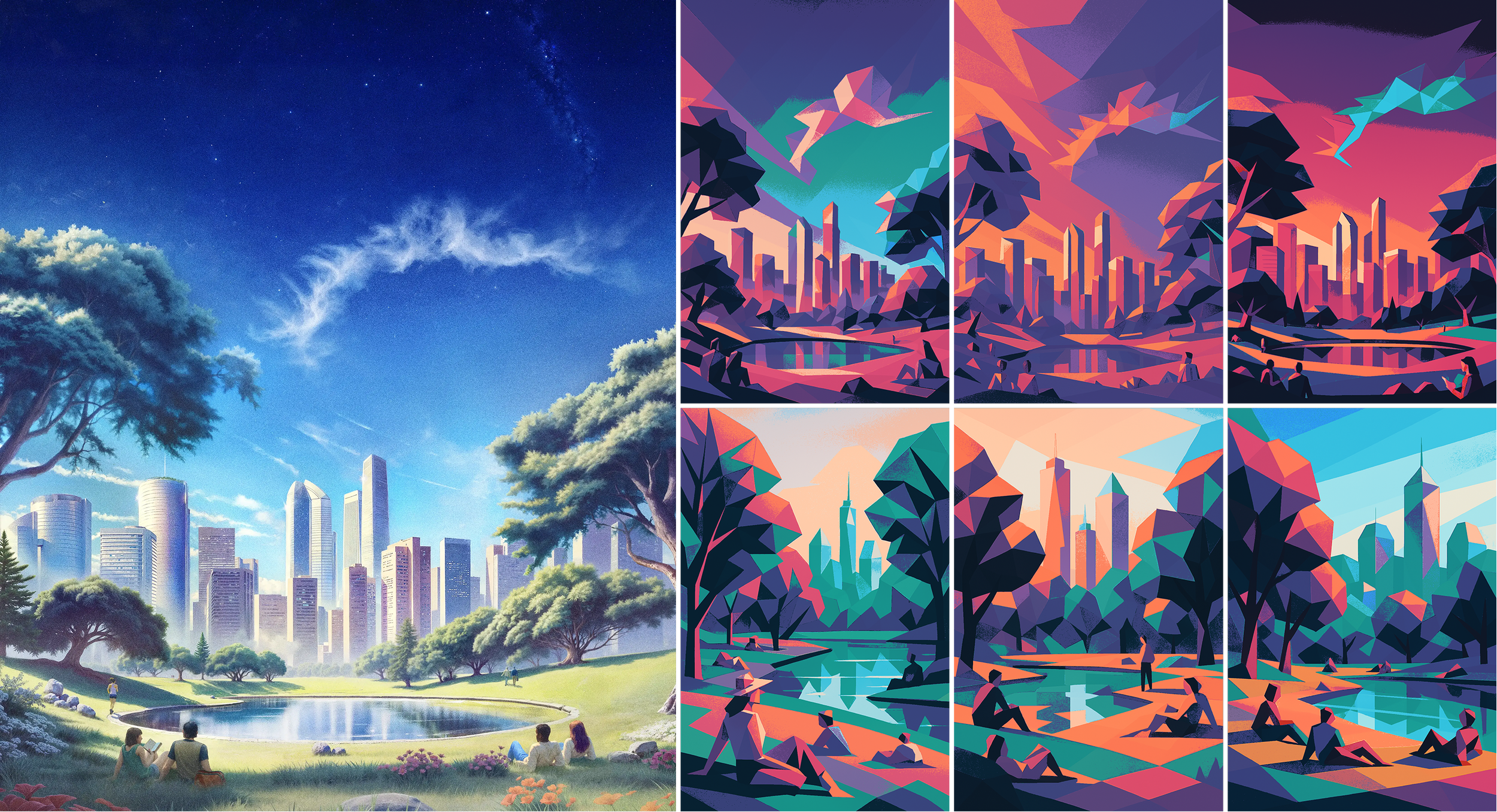
The image-to-prompt mode offers two paths: transform it directly by restyling the original, top row, or generate a short description based on the uploaded image. bottom row. Each approach produces a distinct output, giving users flexibility depending on how closely they want to stay to the source.
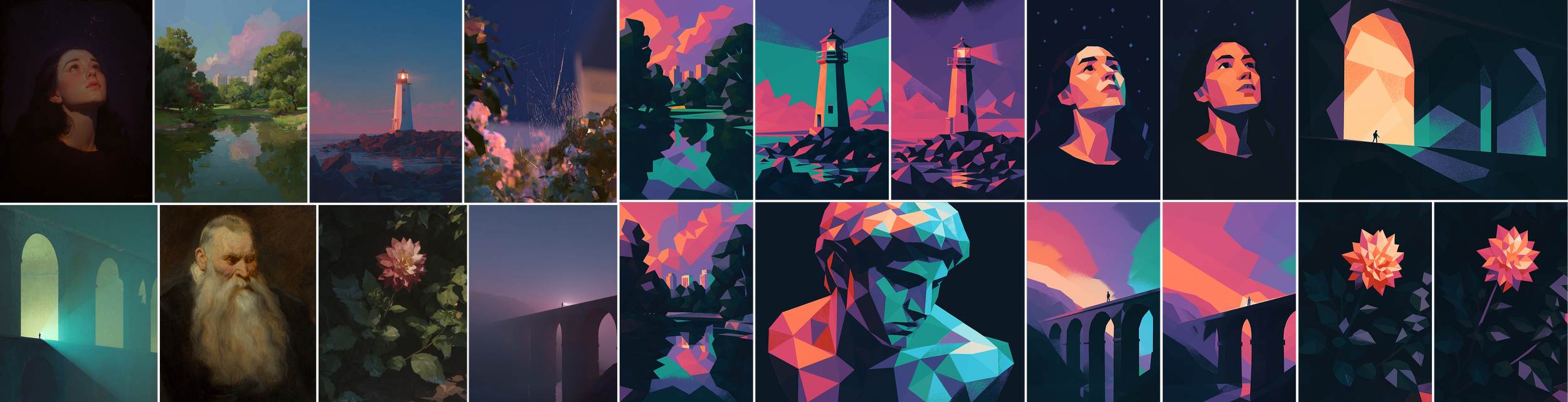
Classical Futurism: This direction emerged from a gap in the original dataset: the classical compositions and dramatic lighting that had defined early explorations weren't carrying through. A curated Midjourney moodboard was built to generate images in a classical painterly style, with emphasis on natural phenomena, wonder, and monolithic forms.
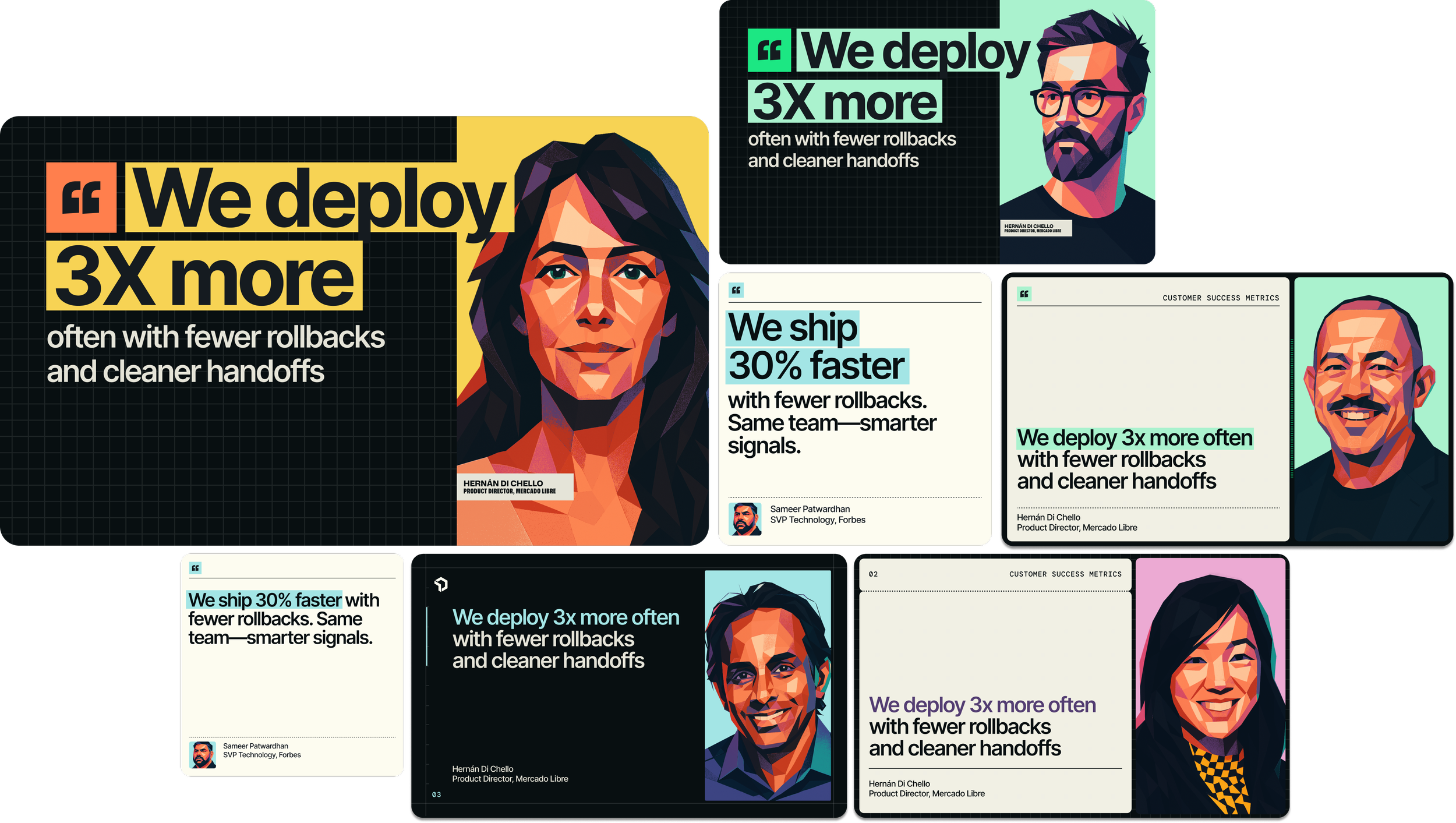
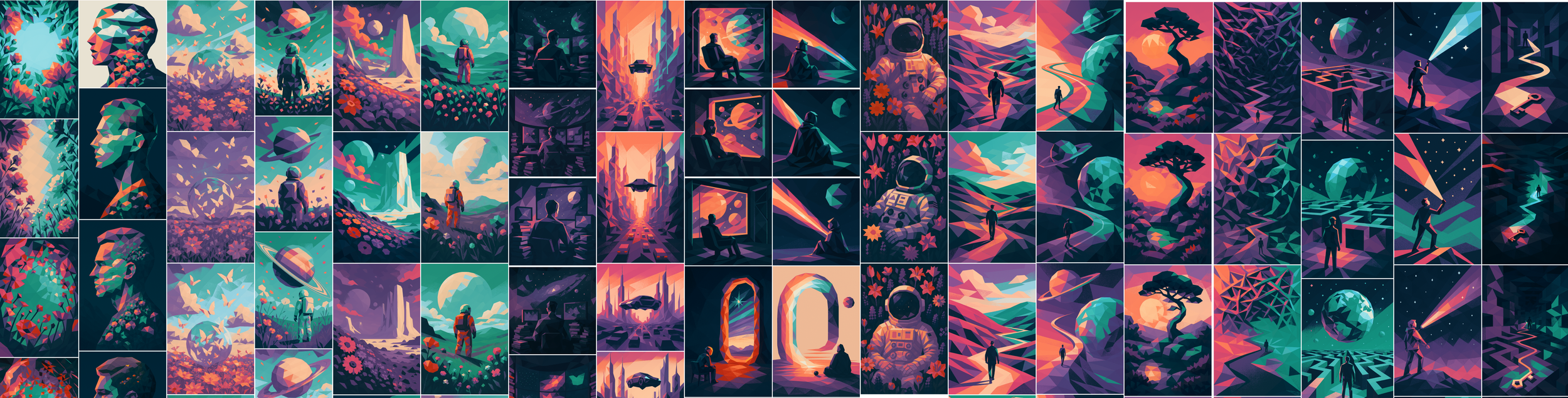
500+ images approved and deployed. 2,400+ generated, each with slight variations in color and composition as seen here. A library built for scale, available org-wide on demand, reducing asset turnaround by 57%.
The outcome
The system reduced asset turnaround time by 57%. This was a direct result of eliminating manual prompting, reducing revision cycles, and giving teams on-demand access to pre-approved imagery. What started as a workaround became infrastructure.
What started as a workaround became infrastructure. The generator is now embedded in New Relic’s brand guidelines and Figma component library, with an approved asset library available company-wide.
The identity launched March 2026 as part of the full New Relic brand transformation and continues to scale across every marketing touchpoint.
My role
Strategy
Research
Executive and cross-functional alignment
Creative Ops
Briefing
Production workflow
Agency management
Budget management
Approval governance
Brand team prompt engineering training
Design
Creative direction
Thematic concept development
Image guidelines
Enablement
Figma Buzz templates
Field and GTM toolkits
Google Slides templates
Brandfolder structure and asset distribution
Org-wide brand launch and office hours