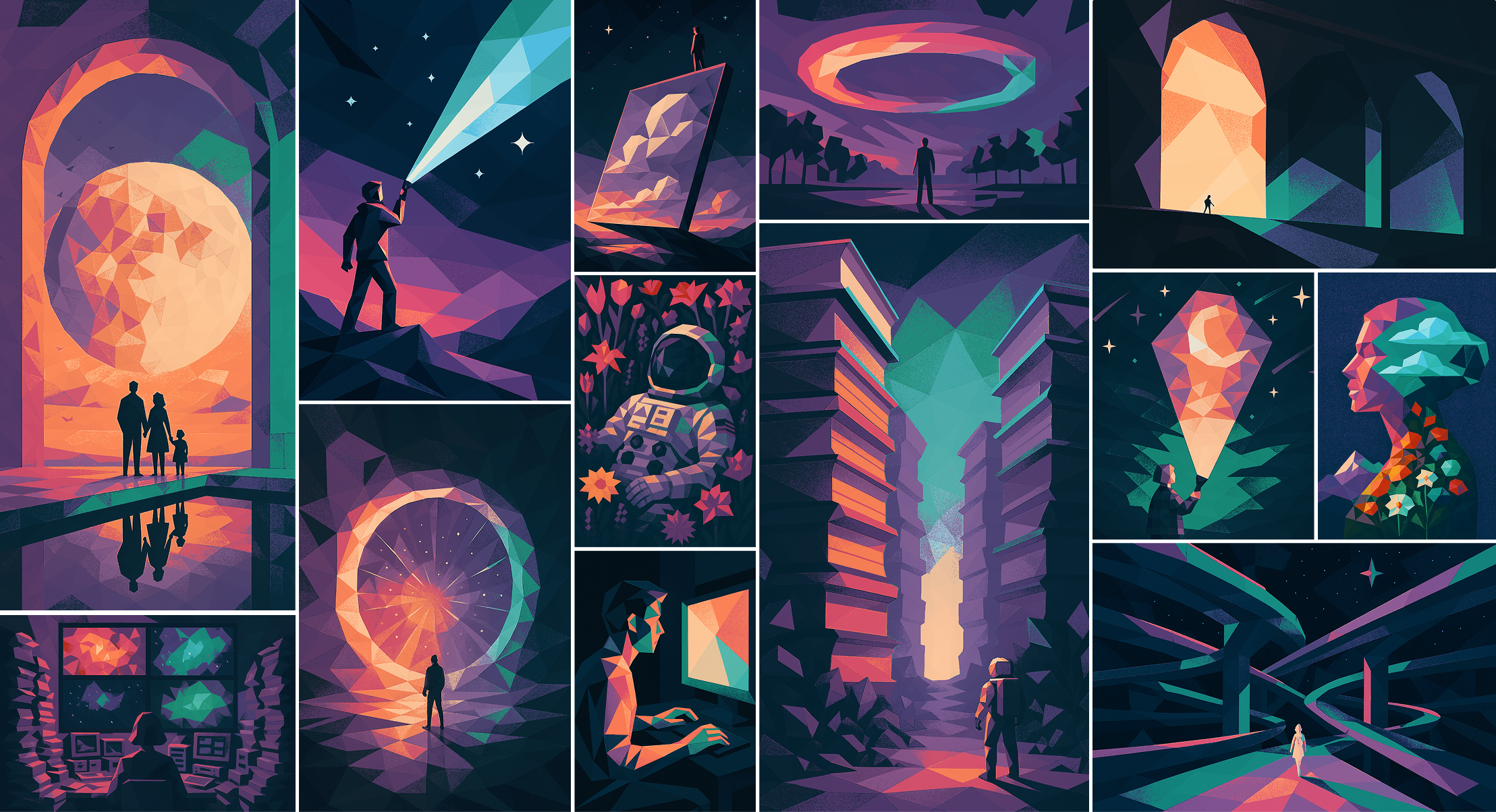
BRAND REFRESH + CREATIVE DIRECTION + AI WORKFLOWS
New Relic Brand Transformation
Turning a brand refresh into a scalable creative system.
Outcomes at a glance
Achieved #1 Share of Voice position globally in quarter following launch
The challenge
Competitive analysis confirmed clarity as the engagement north star, with a 76% positive correlation to engagement
Social followers up 45% Q/Q and engagement rate up 13% Q/Q post-launch
The annual hybrid campaign generated 73 global articles, 38M+ readers, and 113.5k social impressions
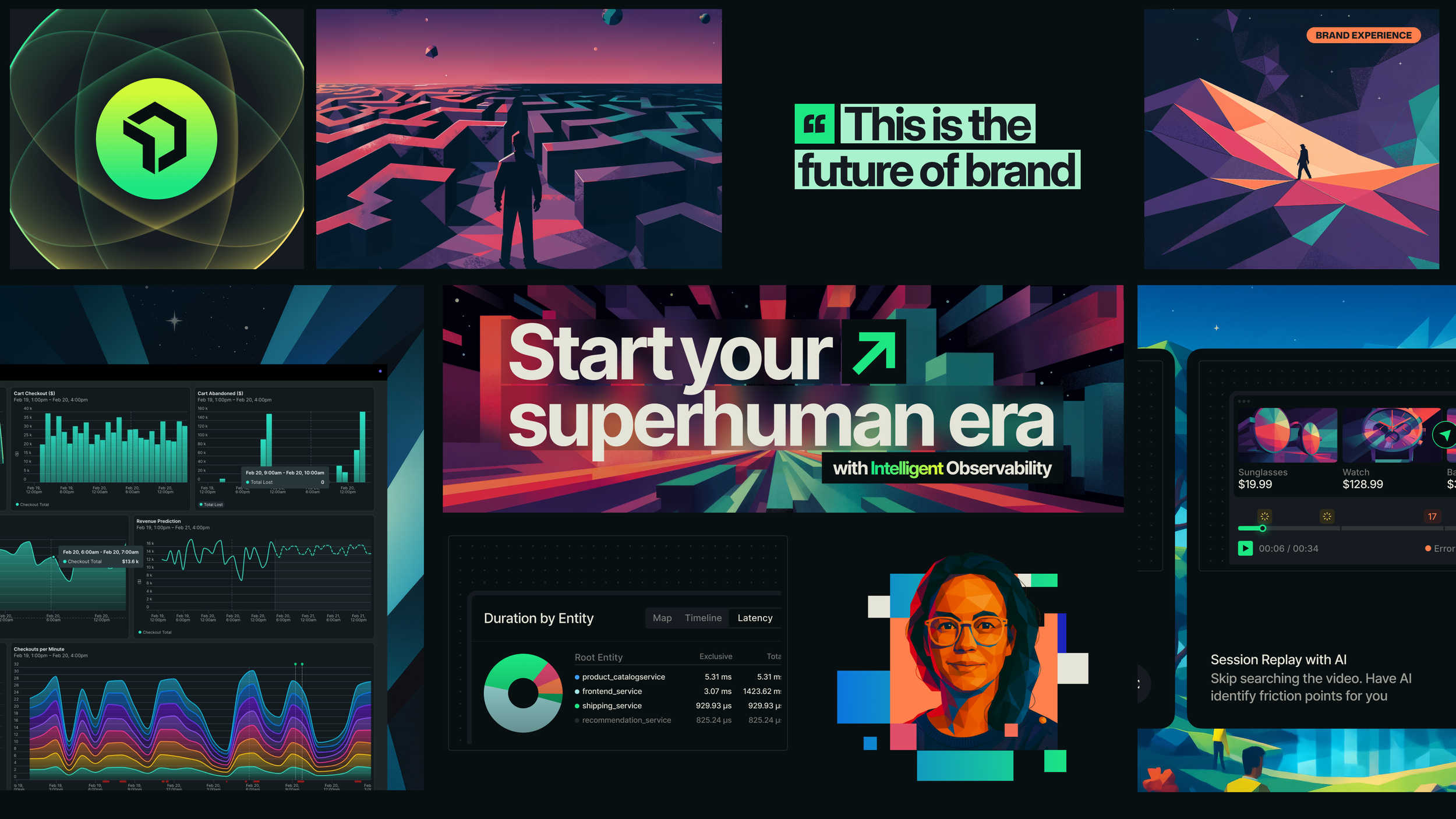
New Relic had strong brand equity and a history of innovation, but its identity become fragmented across teams, products, and touchpoints. The opportunity was to evolve the brand for its next AI-forward chapter while preserving credibility customers already had. More tangibly, New Relic needed a system to enable teams to move faster and on brand.
My role
Strategic creative lead and program architect, guiding the transformation from research and positioning through creative direction, design systems, AI imagery, tooling, governance, and organization-wide enablement.
Defining the direction
Research → Audit → Positioning → Future-state vision
We partnered with Fathom & Hatch to conduct brand research, interviewing executives, customers, and long-tenured employees to understand what had equity, where the brand was falling short, and what needed to change.
The opportunity wasn’t to reinvent New Relic. It was to identify what was worth protecting while creating room for the company’s next chapter.
I synthesized the research into brand positioning, voice architecture, competitive inputs, and a future-state creative direction, working closely with the VP of Brand Experience, Design Director, and copywriter, and validating the direction with Product Marketing and Developer Relations.
Turning strategy into a visual system
Design system → Templates → Guidelines → Asset library → Self-service
In partnership with the VP of Brand Experience and Design Director, we directed the evolution of the visual identity across color, typography, composition, illustration, and imagery, working hands-on with the design team and providing creative direction and iterative feedback throughout development.
The goal was not simply to create a refreshed look. It was to translate the strategy into a visual system that could flex across the organization while remaining recognizable and cohesive.
Building the AI imagery system
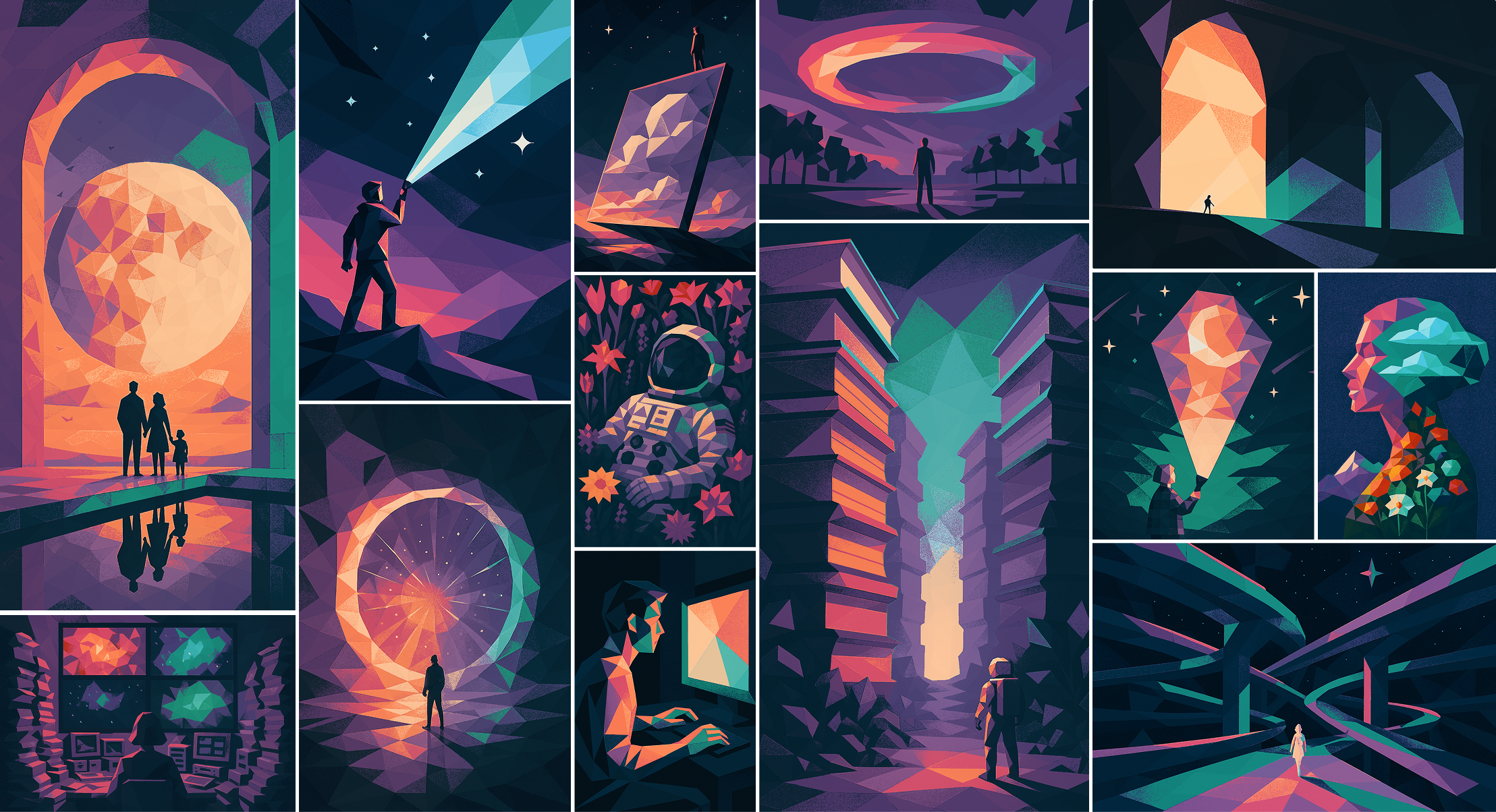
The AI imagery system was designed from the ground up to be reliable and usable by non-designers. Together with our agency partner, The Supervisors, we translated the visual direction into a production brief, refined the style through iterative prompting, and delivered a library of low-poly illustrations that New Relic teams could apply independently.
The system established a repeatable visual language that was on brand by default, low poly, high signal, and designed to scale. It provides teams a practical way to create new imagery without creative bottleneck. about the full process, including how we built the tooling and trained the prompts below.
Bringing the brand to life
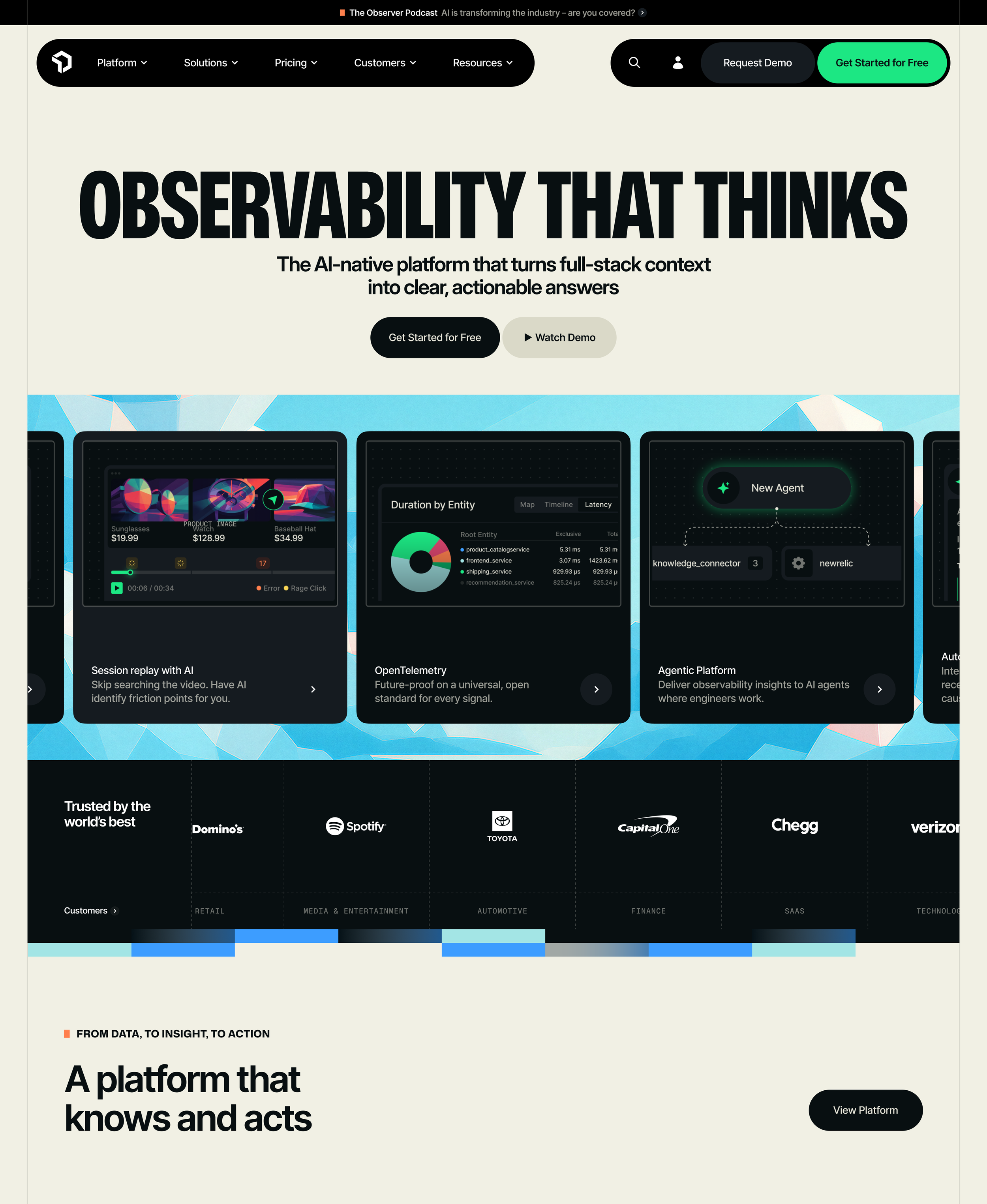
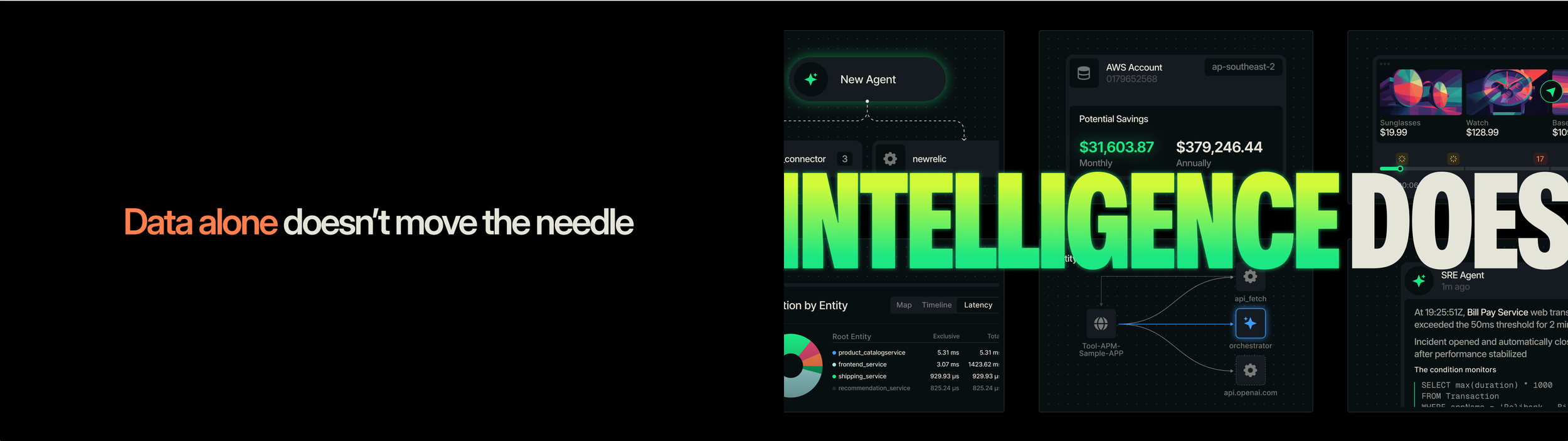
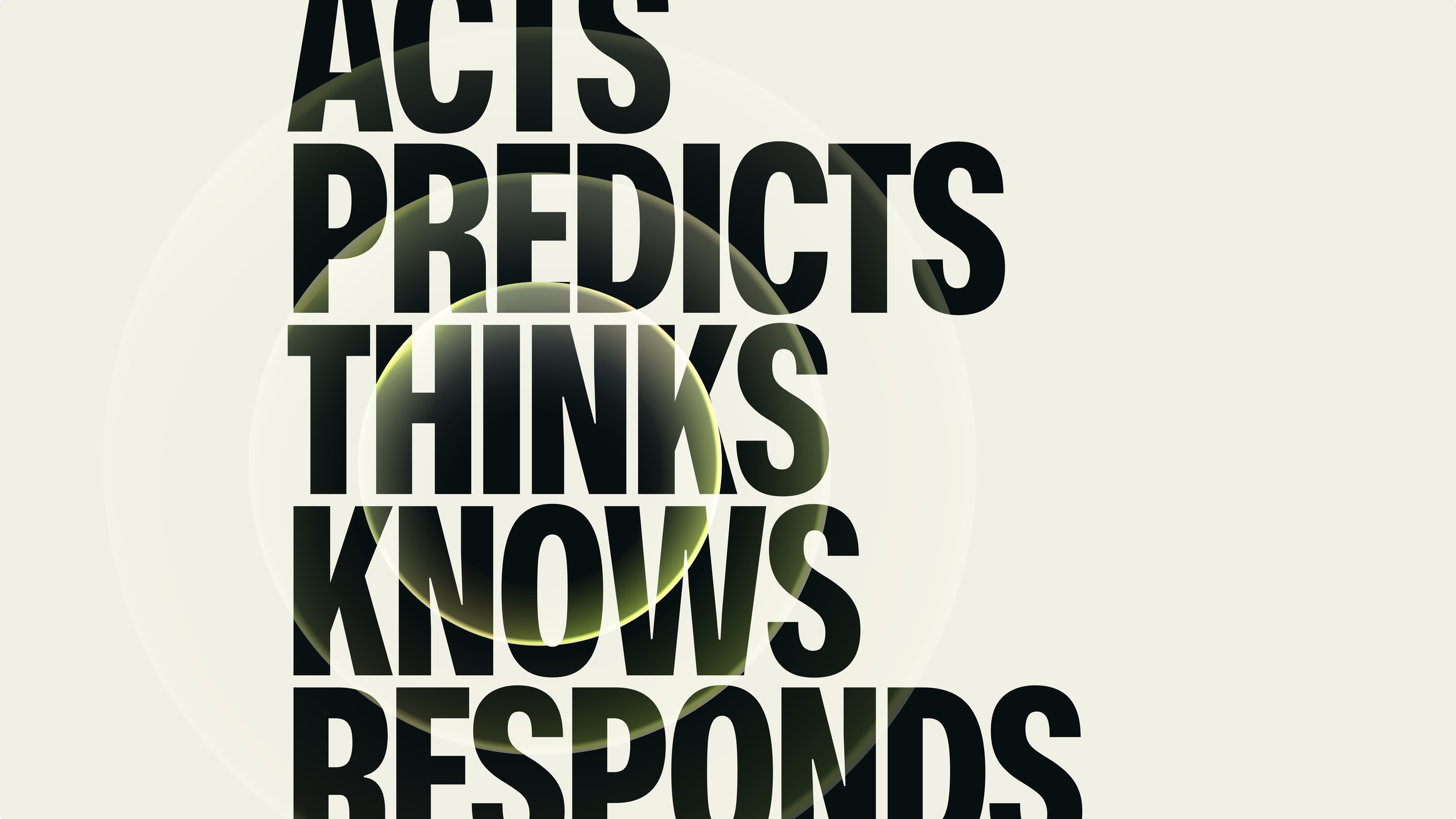
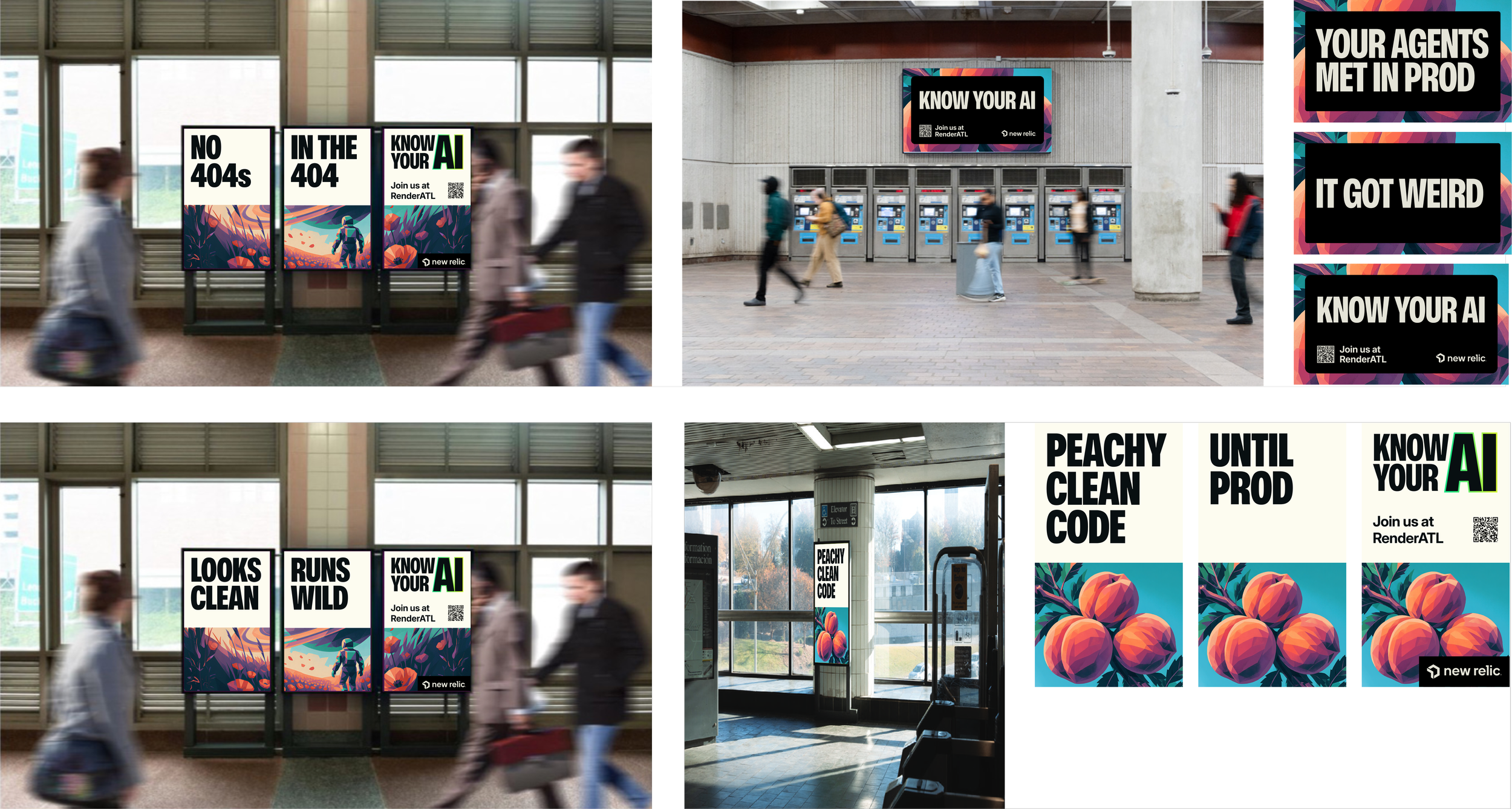
The refreshed identity was applied across the digital experience, campaigns, social, content, customer proof, events, and environmental applications. I provided creative direction and production across these expressions, helping translate the new system into real-world communications rather than treating the brand as a static set of guidelines.
The work included the redesigned homepage and digital experience, campaign and social executions, The Observer content, customer proof points, event communications, and experiential applications.
The system was designed to create continuity between marketing and product, grounding the digital experience in the same color, typography, imagery, and compositional language.
Making it work at scale
Design system → Templates → Guidelines → Asset library → Self-service
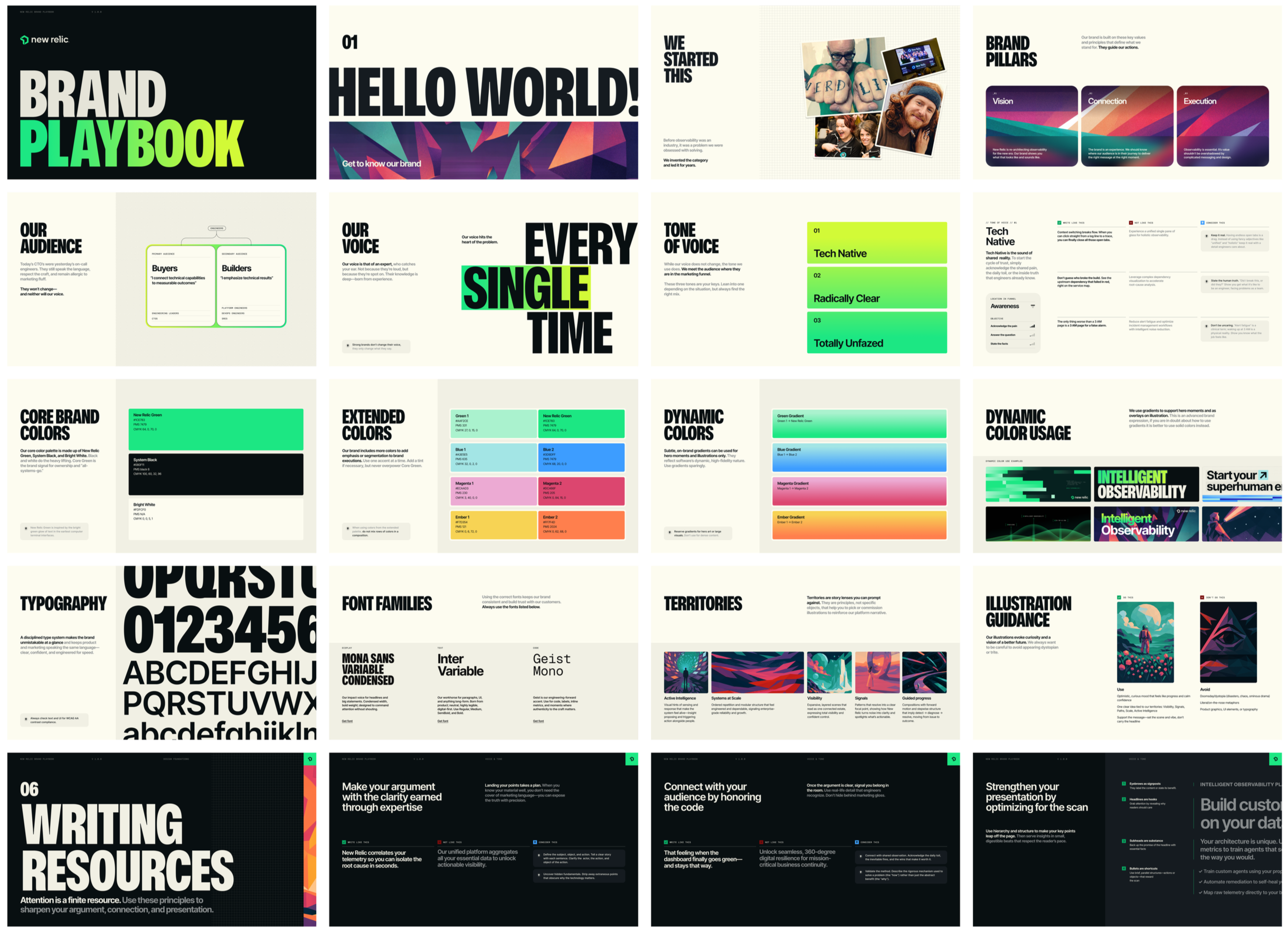
A new identity only works if people can actually use it. We designed the infrastructure around the brand so teams could create confidently without requiring the core brand team to touch every asset.
I helped establish the Figma design system and tokenized variables, developed self-service templates by onboarding the team to Figma Buzz, architected Brandfolder for organization-wide asset distribution, and structured the brand guidelines around practical adoption rather than documentation alone.
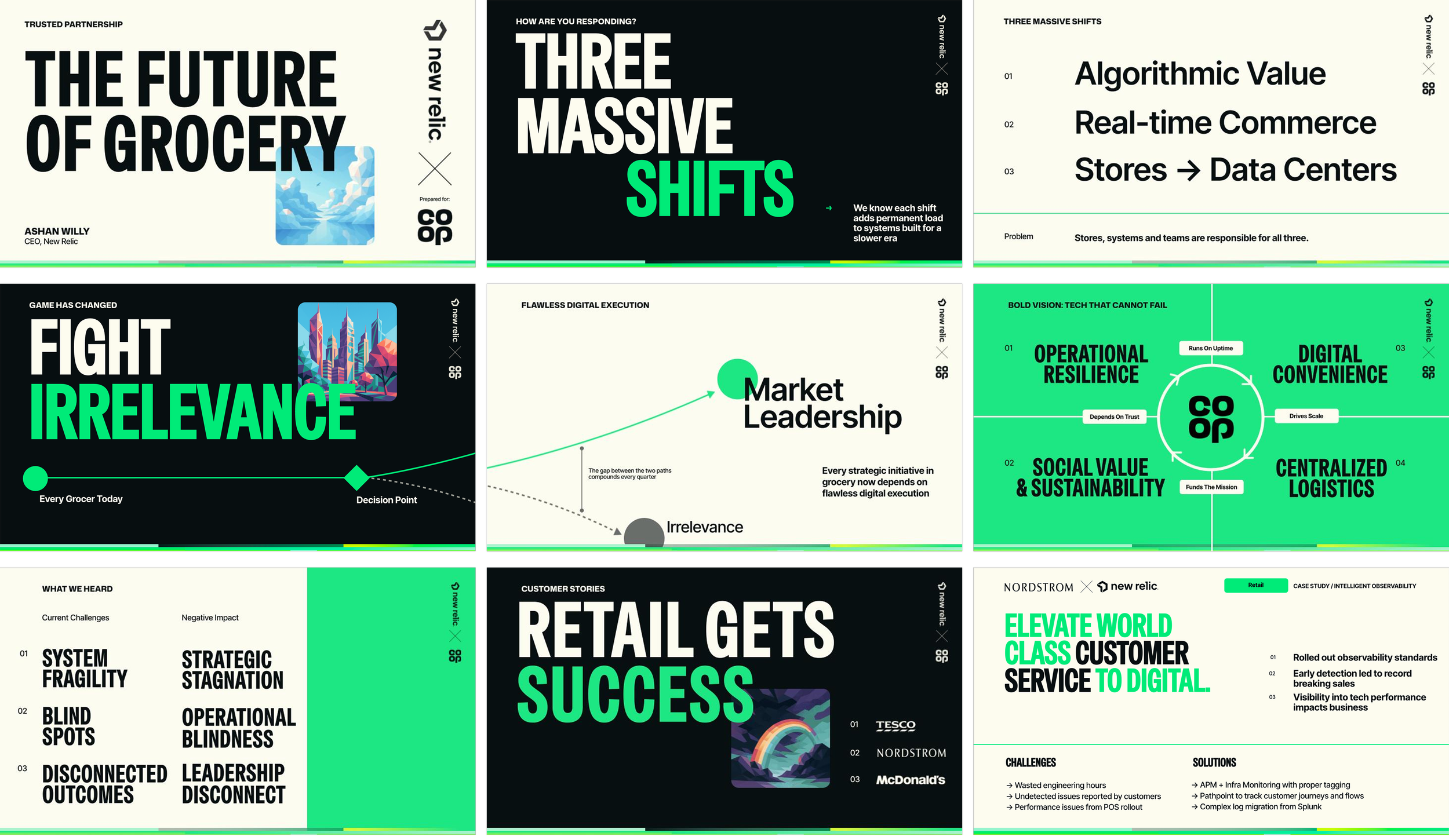
One of the biggest adoption requirements was making presentation design and marketing collateral like reports and paid media more accessible. Instead of expecting every marketer to become a designer, I worked in partnership with another designer, Moe Hung, to create a Google Slides system that built brand consistency into the workflow itself.
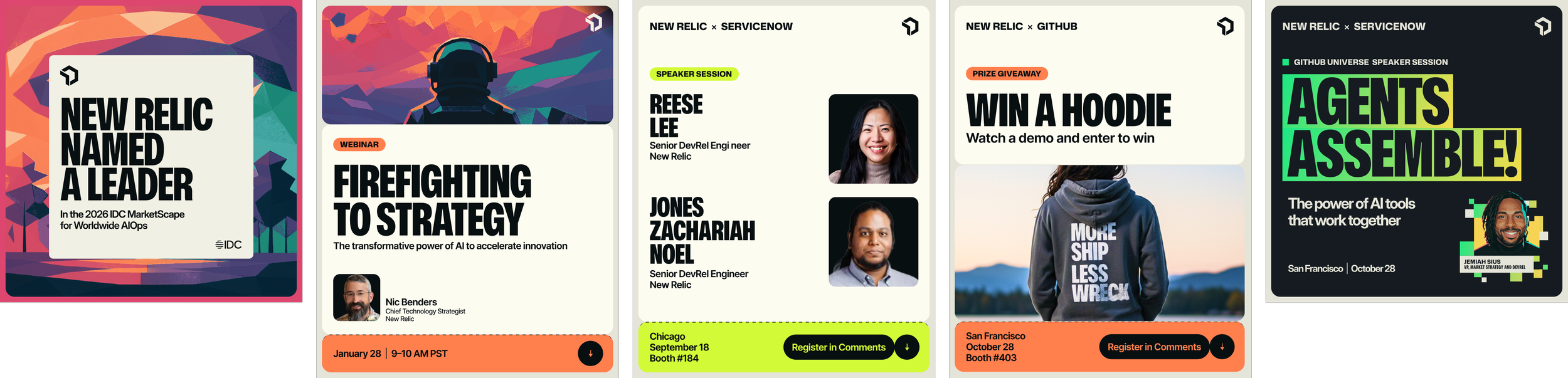
When the 2026 AI Impact Report launched, it needed to communicate findings from 6M+ users with technical precision while landing with enough clarity to stop a scroll. The campaign shipped across social, web, and email, all from the same modular Figma Buzz system.
This modular system is what makes scale possible and manageable. The Observer, customer proof point campaigns, and event promos are all architected similarly in Figma Buzz, with interchangeable content inputs, locked brand variables, and no dependency on the core creative team to produce.

The outcome
Launched across six parallel workstreams in March 2026, the refresh evolved from a visual update into an evolving brand operating system, including design systems, content infrastructure, governance guidelines, and self-service tools that empowered internal and external teams to create confidently.
The redesigned homepage leveraged AI-assisted competitive benchmarking to anchor creative direction around visitor engagement. To better resonate with our technical audience, we sought a more apparent visual continuity between marketing and platform by grounding the site’s color palette and design language in New Relic’s product UI.
Coinciding with New Relic’s recognition as an IDC MarketScape Leader in AIOps and a Gartner AI Vision Leader, the brand refresh was celebrated internally as a pivotal signal of the company’s strategic, AI-forward evolution.
More importantly, the transformation created a foundation for the brand to move faster: a system that could evolve with the business by giving teams the tools to create consistently, confidently, and at scale.
The new look and feel, in motion. Social sizzle directed by Dan Marcus and Evan Chung, motion by Trevor Hubbard.
My role
Strategy
Audit
Research
Brand narrative
Brand positioning
Executive and cross-functional alignment
Creative Ops
Briefing
Prioritization
AI-enabled production workflows
Program management
Agency management
Budget management
Approval governance
Design
Creative direction
Figma design system, components, variables, tokens
AI imagery system and prompt library
Brand, voice + tone guidelines
Editorial and campaign
Collateral templates
Tradeshow booths
Enablement
Figma Buzz template system
Brand playbook and guidelines
Field and GTM toolkits
Google Slides presentation templates
Brandfolder structure and asset distribution
Org onboarding and brand office hours
Activation
New Relic Advance
Live and virtual event Experience
Keynote presentations
Phased org-wide brand launch